
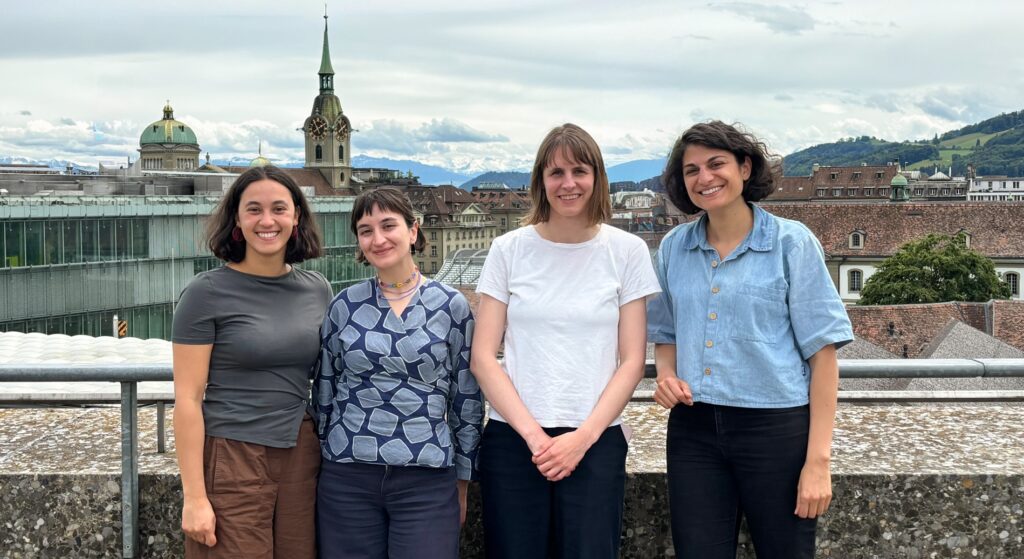
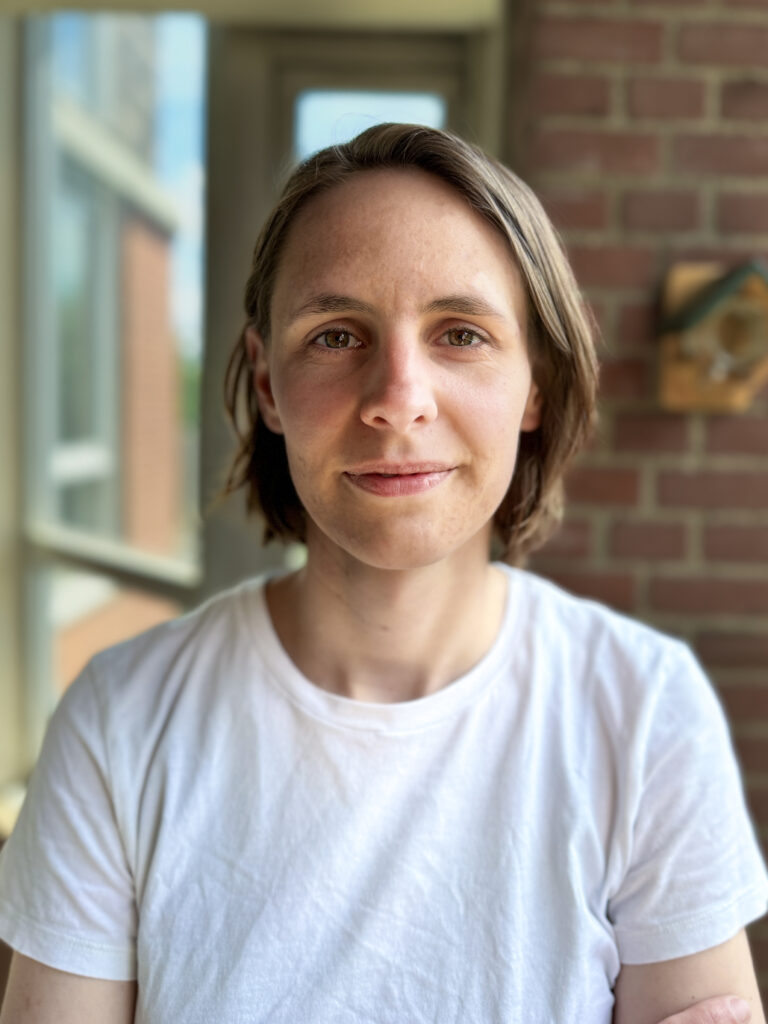

Hannah Hilligardt, PhD and postdoc, is interested in particular in the question how to think about the societal role of climate scientists in light of historical and persisting injustices and inequalities: should scientists and scientific institutions like the Intergovernmental Panel on Climate Change (IPCC) strive to stay neutral? Should they explicitly take the side of vulnerable groups? Should they become climate activists? If so, what are the limits that their role imposes on them? Currently, she explores these questions by looking at the history of research on climate tipping points. More info at https://hannahhilligardt.com/.
Julie Jebeile, SNSF professor and PI of the project, studies how scientific models, visual representations and narratives can provide explanations and understanding. In the context of climate change, she focuses on how those representations can also offer usable information, i.e. reliable, relevant and legitimate information. She is interested in how socioeconomic values shape scientific knowledge production and engineering research & development. Her research interests cover scientific knowledge and technology foresight in the service of policy making, in particular for climate change mitigation and adaptation. More info at https://juliejebeile.net/.
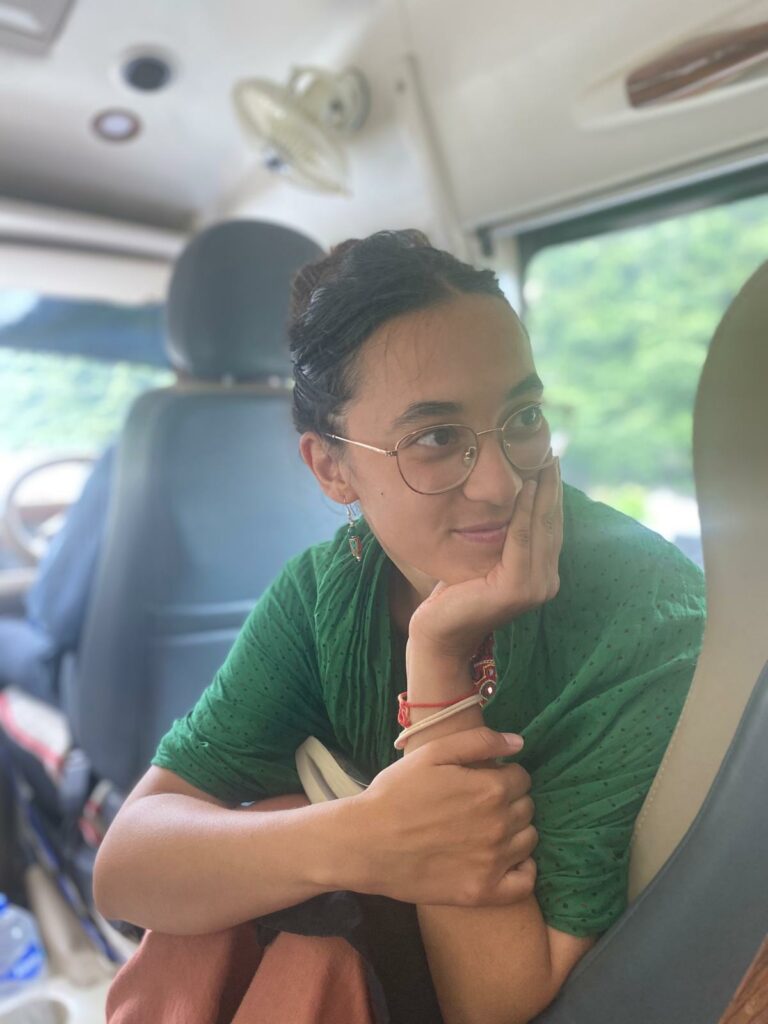
Sapna Kumar, PhD student, explores in her research the role of Indigenous and local knowledge in climate adaptation and action. She investigates, in particular, the relationship between different ways of knowing (e.g. climate science and Indigenous knowledge), the possibility of the co-production of climate information and related challenges, and the position of Indigenous peoples in political spaces and global knowledge institutions (e.g. IPCC). Focusing on oppression and resistance, she examines the deep entanglement between epistemic and climate (in)justice as it impacts Indigenous peoples and local communities.
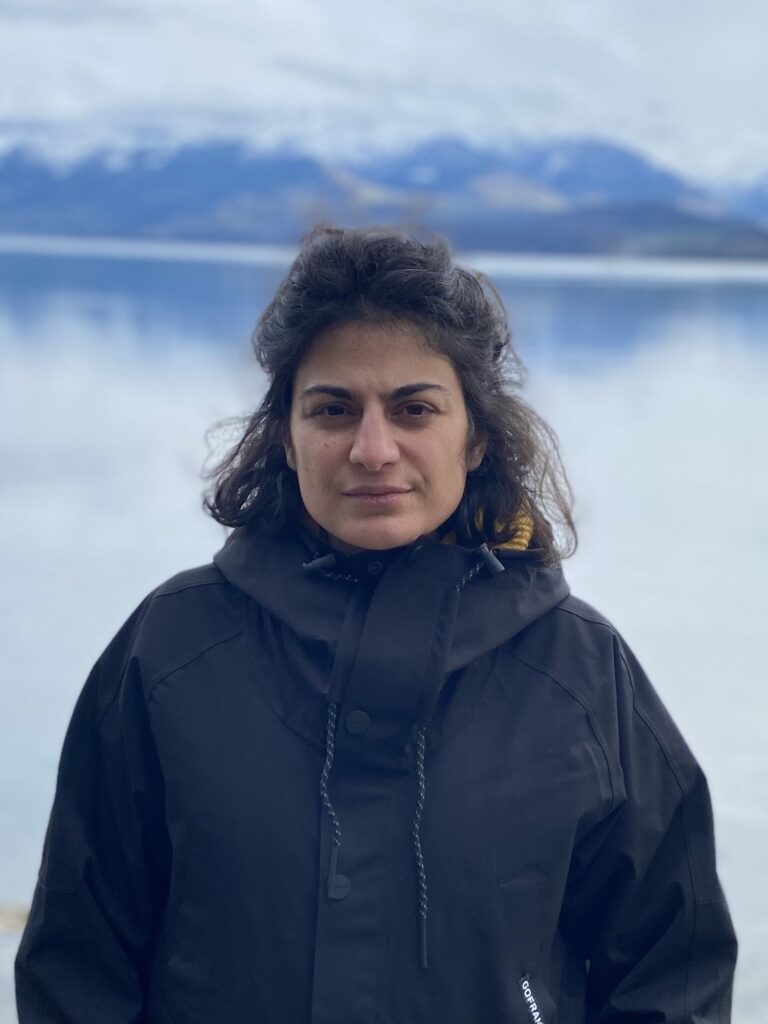
Futura Venuto, PhD student, explores the interplay between epistemic and social dimensions of knowledge production and scientific practice. Her research focuses on scientific dissent, examining the role of epistemic and social diversity in its emergence, the challenges of identifying and managing problematic instances of dissent, and its implications for scientific objectivity, progress, and social well-being. She is also interested in the construction of uncertainty in climate science, particularly in how different ways of representing climate futures shape the possibilities imagined for climate mitigation and adaptation. More broadly, she examines the interaction between science and society, with particular attention to how knowledge production reflects and reinforces existing unjust power relations, and to the conditions for more socially responsible science.